
Intellectual heritage
The minds behind the method.
Two founders and four agents are the team you meet. Behind them stands a century of hard-won judgment: Clausewitz and Boyd on war, Bletchley Park and the warning tradition on intelligence, Kahneman, Tversky and Tetlock on how the mind errs, Rittel and Meadows on wicked problems, and the commanders who had to decide. Their methods are built into ODAI’s engine room and applied at the moment your decision needs them.
None of them is on our payroll. Every one of them is on your staff.
Foundations
The Triple Trinity
Three questions run through every ODAI analysis. Clausewitz names the actors and forces in play. Thucydides asks what moves them. Boyd asks where the effects will land.
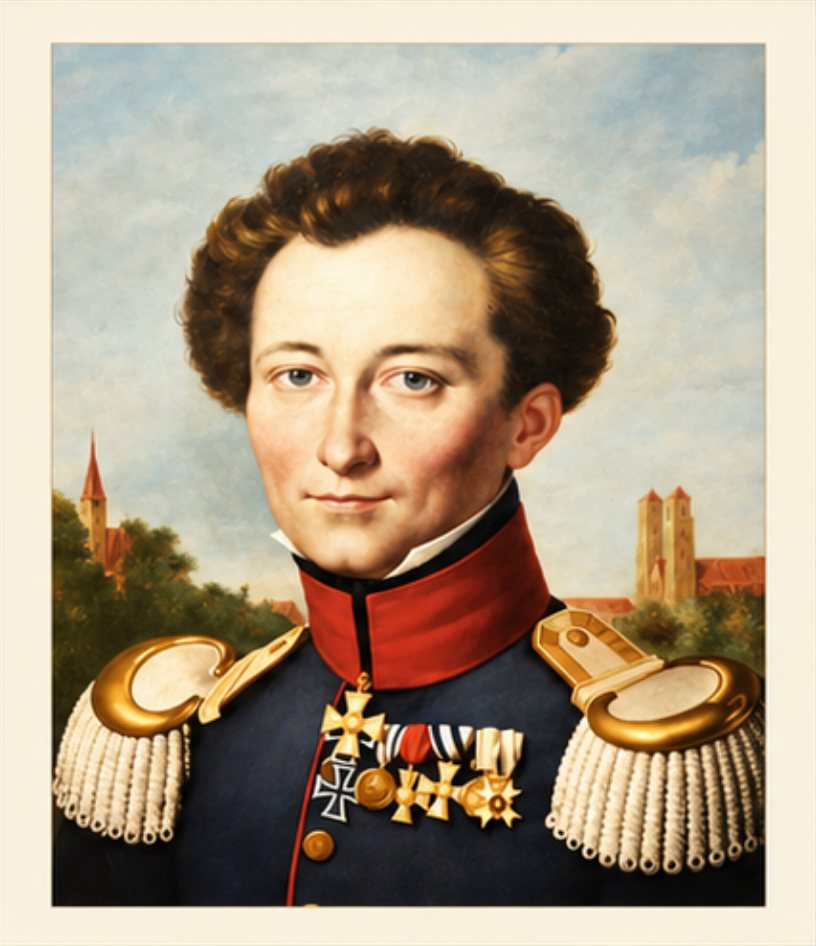 Carl von ClausewitzActors and forcesPeople · Military · GovernmentPassion · Chance · Reason
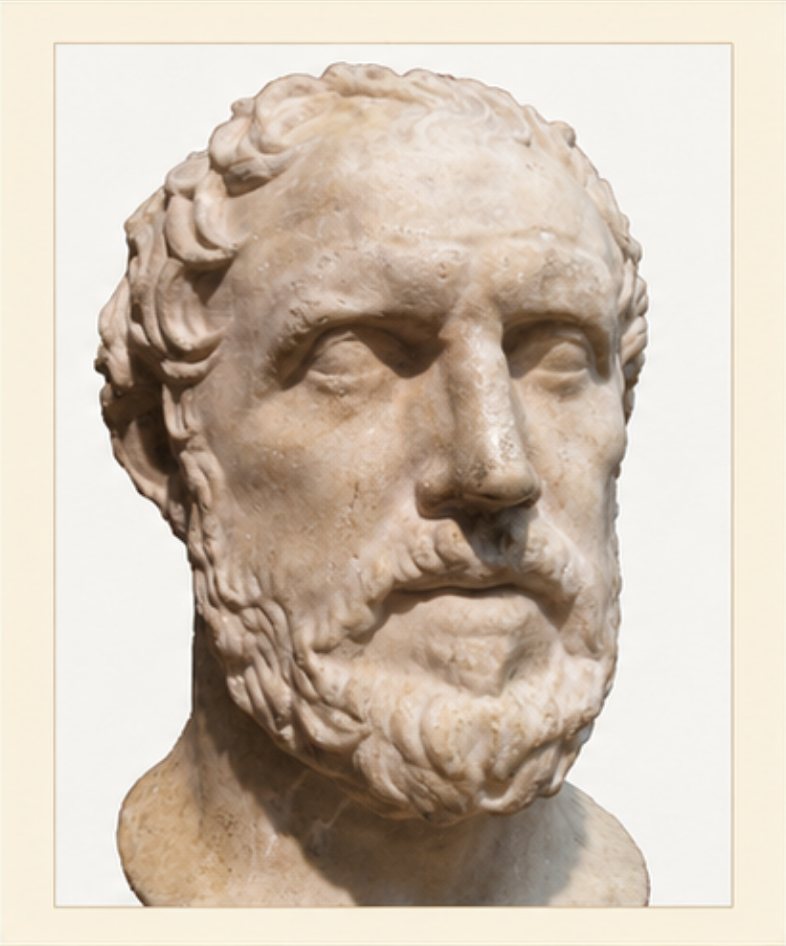 ThucydidesMotivesFear · Honor · InterestWhat moves this actor?
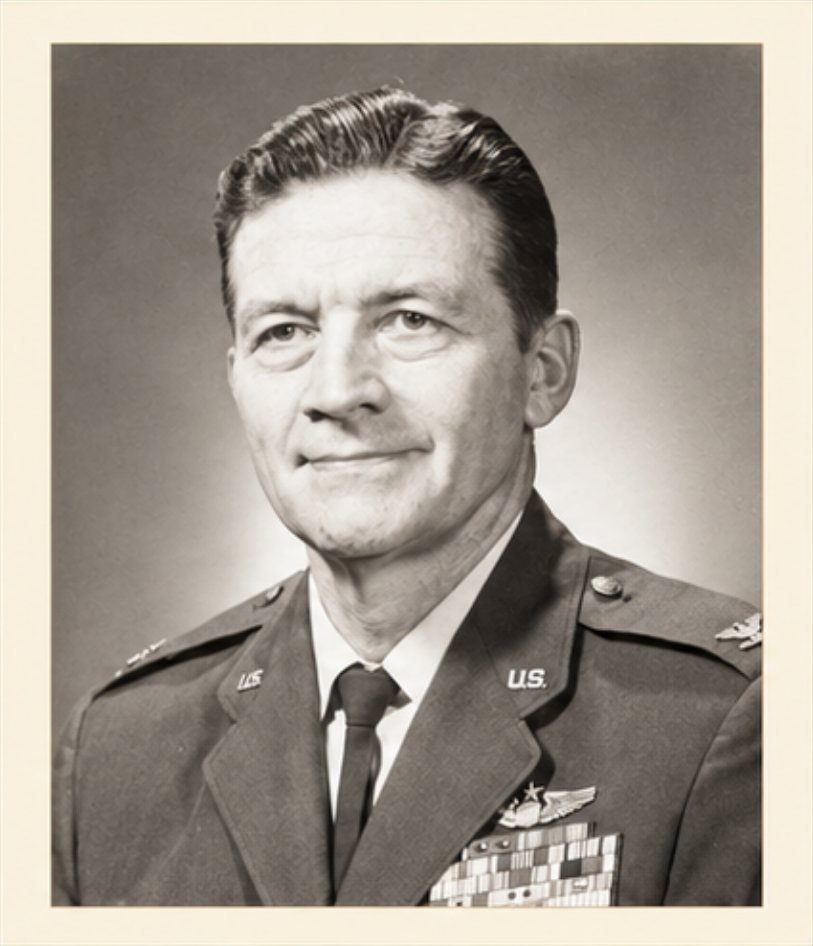 John BoydPlanes of conflictMoral · Mental · PhysicalWhere will the effects land?
Bletchley Park GCHQ
Where machines were first put to work on intelligence, and where a hard lesson was learned: a warning is only as good as the standing it is given.

Bletchley Park
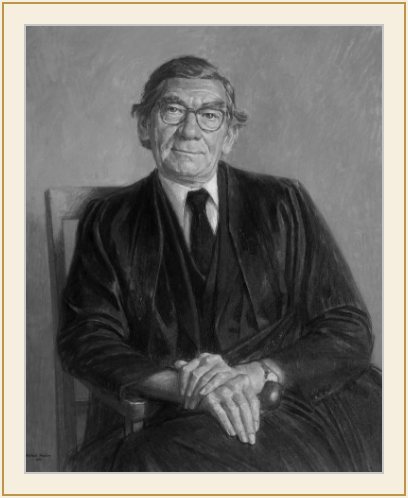 Sir Harry HinsleyOfficial historian of British intelligence in World War TwoMentor to one of our founders
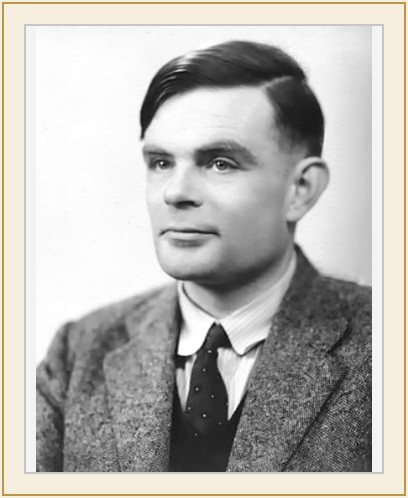 Alan TuringFather of artificial intelligence
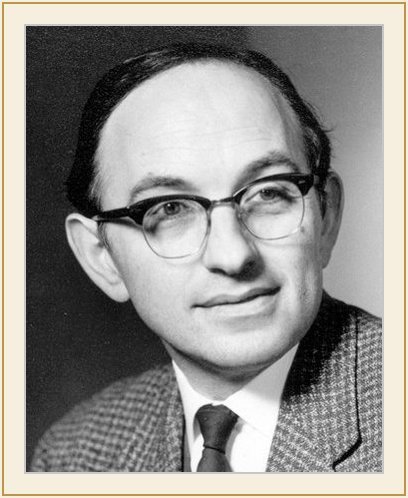 I. J. GoodThe statistician who asked how an intelligent machine is kept under control
Intelligence analysis and the warning tradition
How analysts separate signal from noise, test competing explanations, see through deception, and make a warning heard.
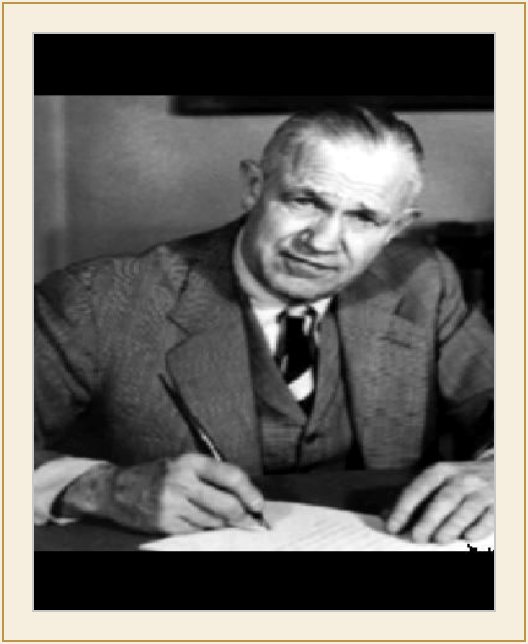 Sherman KentIntelligence theory pioneer
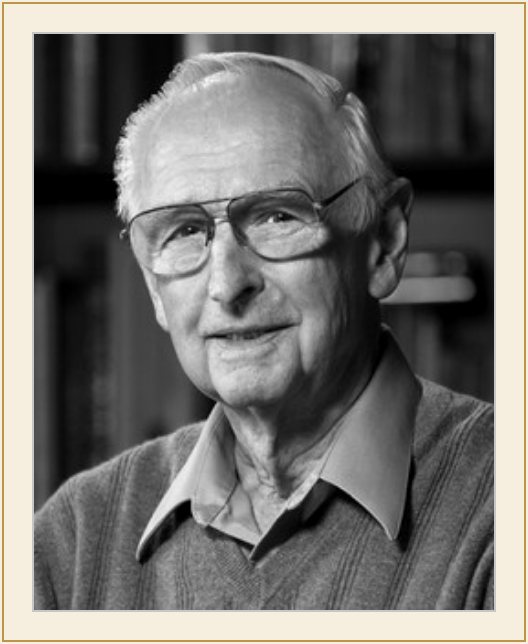 Richards HeuerAnalysis of competing hypotheses
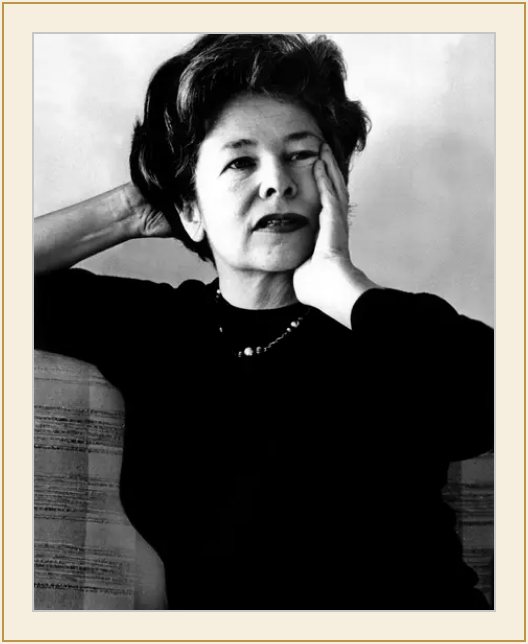 Roberta WohlstetterSignals and noise
 Cynthia GraboStrategic warning and minority views
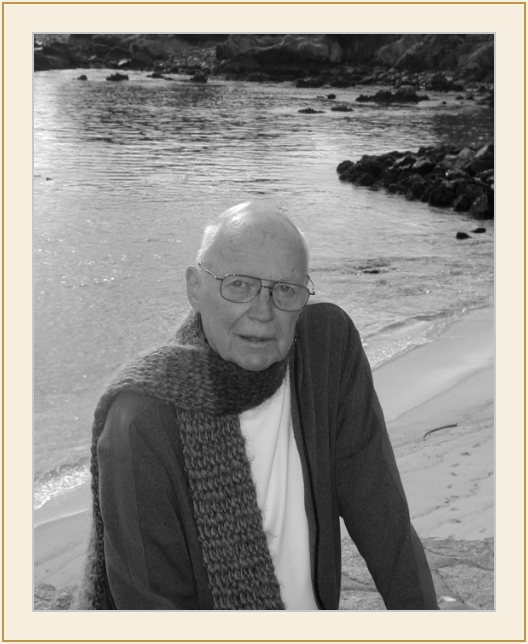 Barton WhaleyDeception and surprise
The science of judgment
How the mind errs under uncertainty, and how experts decide well under pressure: the source of ODAI’s catalog of biases, and of what catches each one.
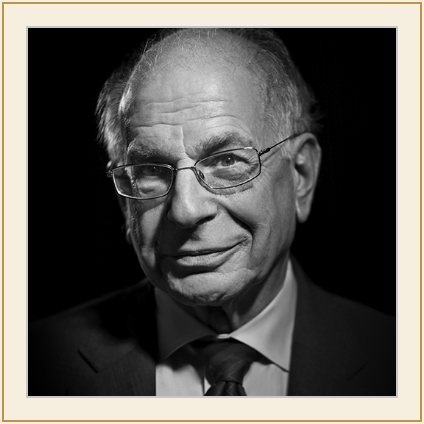 Daniel KahnemanJudgment under uncertainty
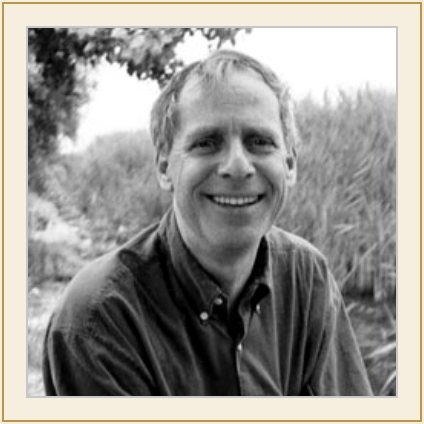 Amos TverskyProspect theory cofounder
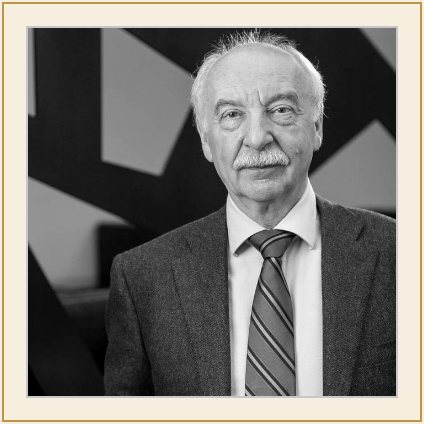 Gerd GigerenzerFast-and-frugal heuristics
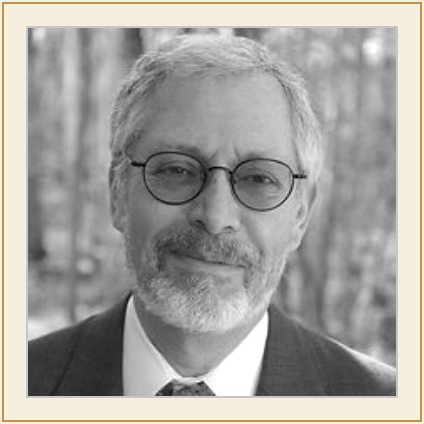 Gary KleinNaturalistic decision-making
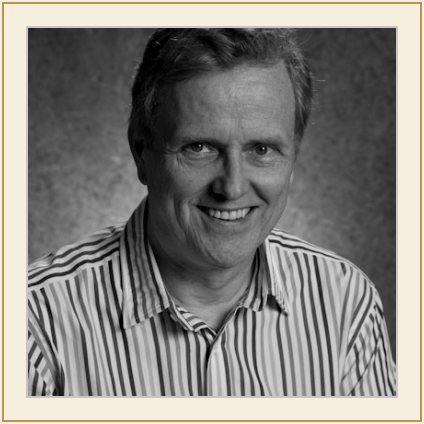 Philip TetlockSuperforecasting and accountability
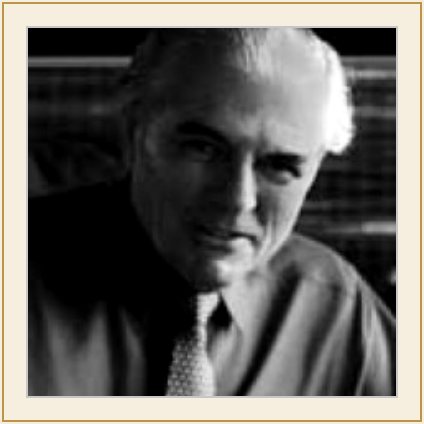 Irving JanisGroupthink theory
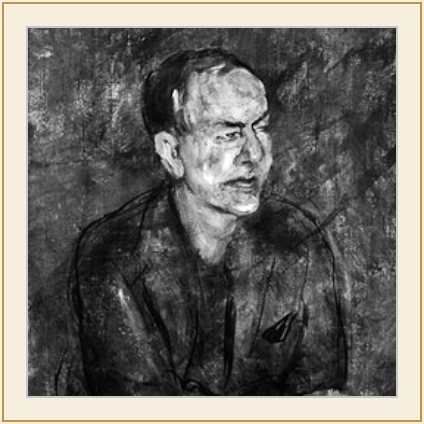 Herbert SimonBounded rationality
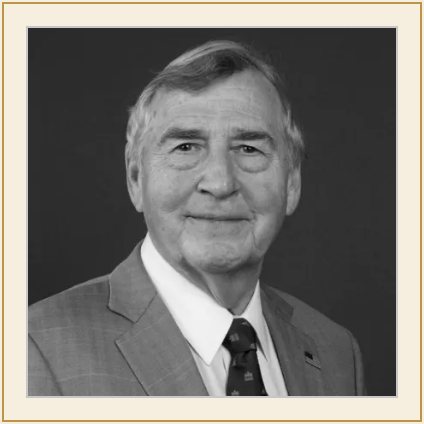 Graham AllisonEssence of Decision
Systems, complexity and wicked problems
Why the hardest problems have no stopping rule, why a measure that becomes a target stops measuring, and where a small push moves a whole system.
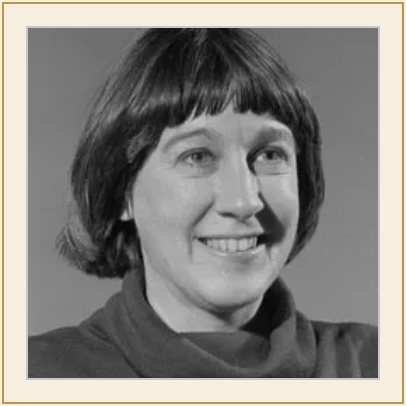 Donella MeadowsSystems leverage points
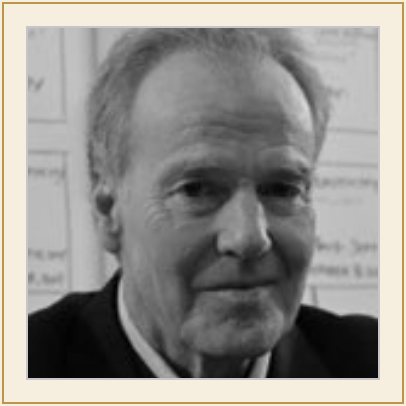 Peter SengeLearning organizations
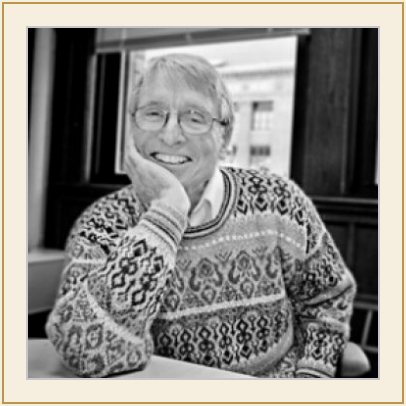 John HollandSanta Fe Institute complexity
 Santa Fe InstituteInstitutional tradition
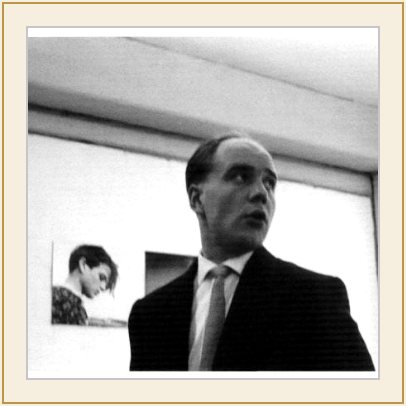 Horst RittelWicked problems theory
 Melvin WebberWicked planning problems
 Jerry MullerTyranny of metrics
 Hans RoslingFact-based global trends
 E. H. CarrHistorical thinking theory
Strategic theory
How rivals bargain, how they perceive and misperceive each other, and why the nature of strategy endures while its character changes.
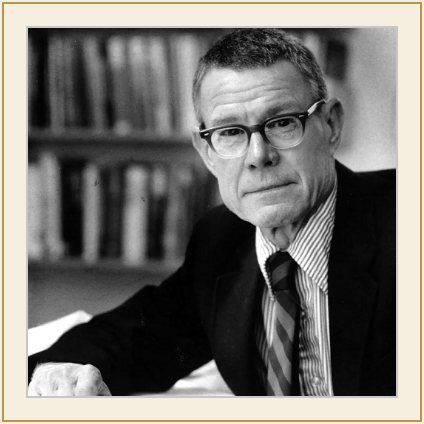 Thomas SchellingStrategic bargaining
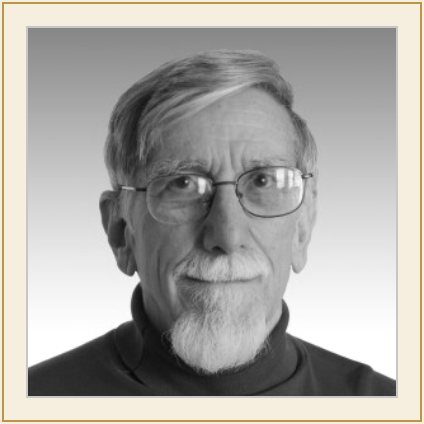 Robert JervisPerception and misperception
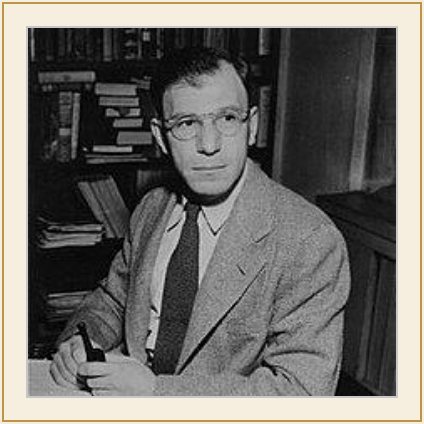 Bernard BrodieNuclear deterrence
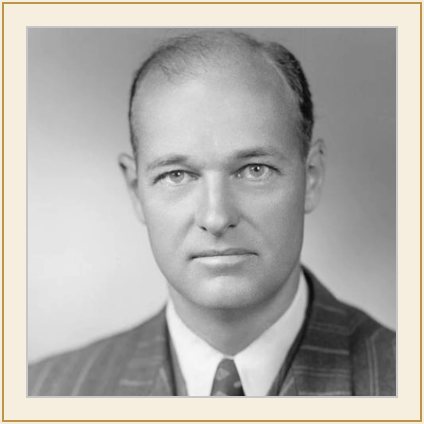 George KennanContainment doctrine
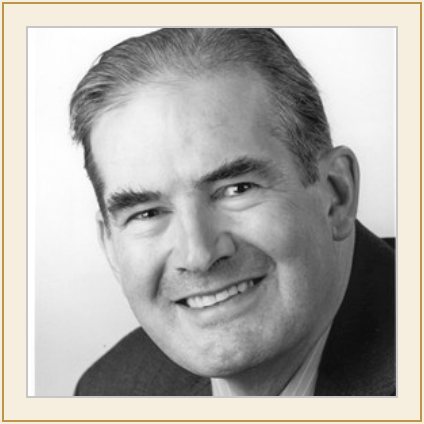 Colin GrayStrategy’s enduring nature
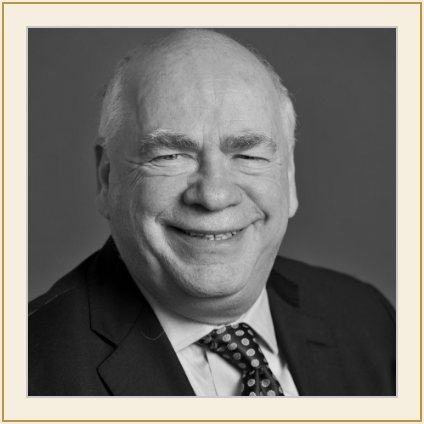 Lawrence FreedmanModern strategy historian
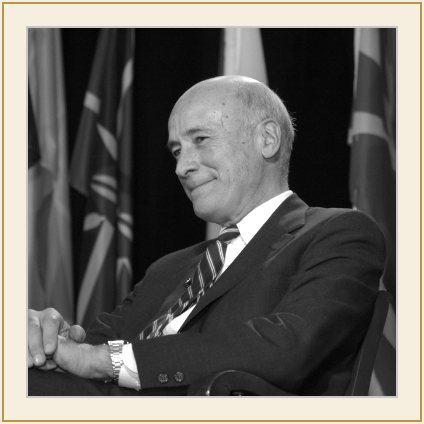 Joseph NyeSoft power theory
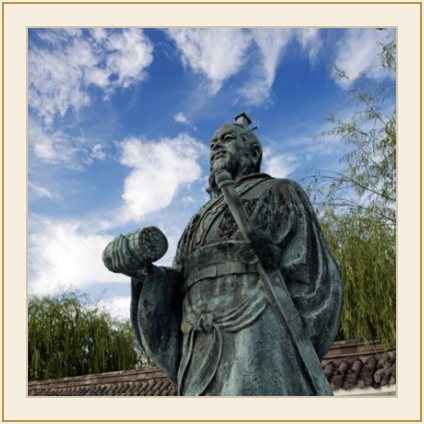 Sun TzuThe Art of War
Military innovation and the organization
Why technology alone has never changed warfare: new organizations, new tactics and relentless iteration did.
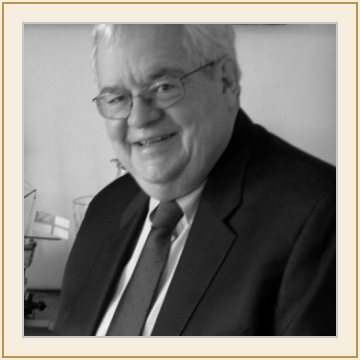 Williamson MurrayAdaptation in war
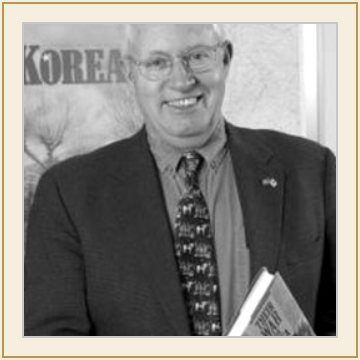 Allan MillettMilitary institutions historian
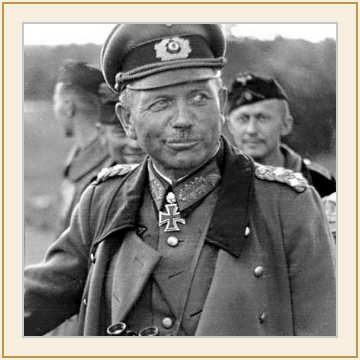 Heinz GuderianArmored warfare doctrine
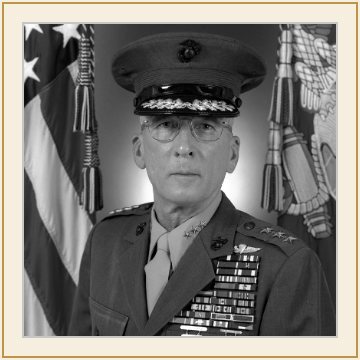 Paul Van RiperOperational design and red teaming visionary
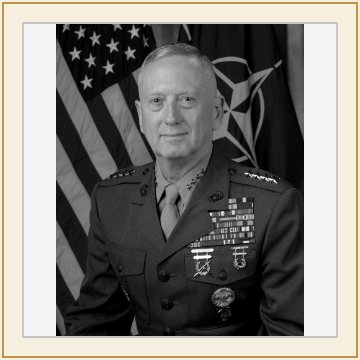 James MattisFather of operational design doctrine
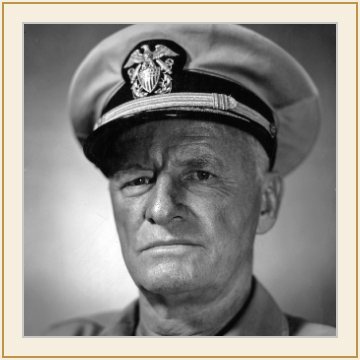 Chester NimitzNaval War College games
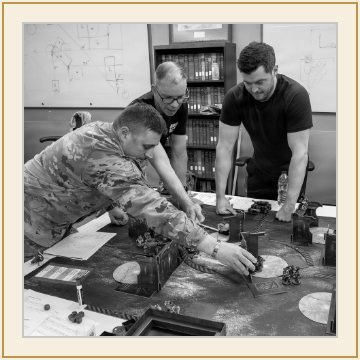 School of Advanced Military StudiesInstitutional tradition
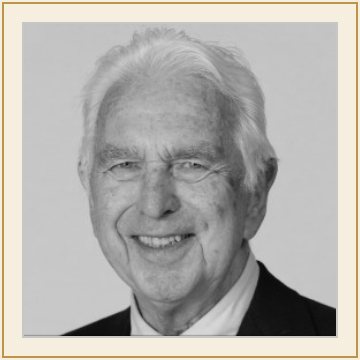 Warren BennisLeadership and change
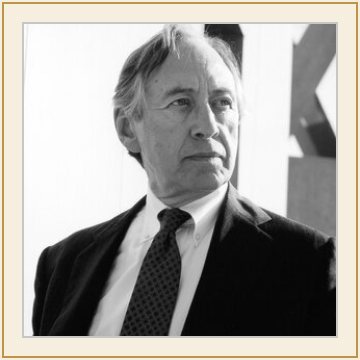 Alvin TofflerFuture shock theorist
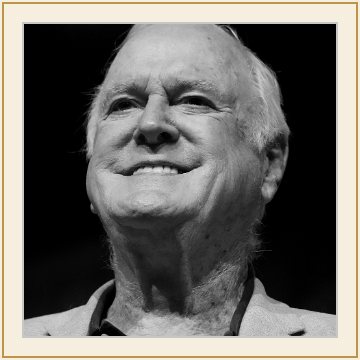 John CleeseArtist and creative thinking methods
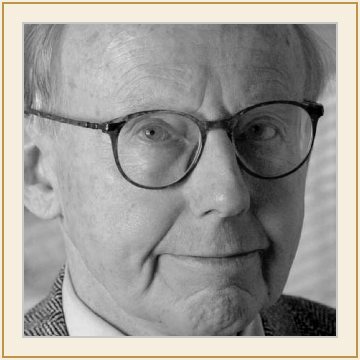 Samuel HuntingtonCivil-military relations theorist
The practitioners
The people who had to decide, under pressure and on imperfect information, and what their decisions teach.
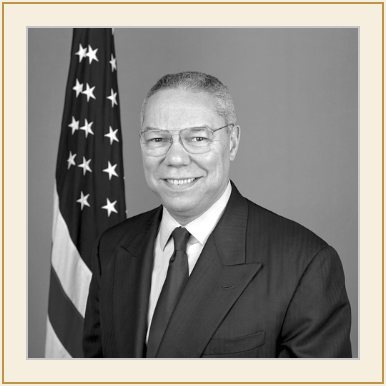 Colin PowellStructured strategic judgmentPowell Doctrine · Leadership
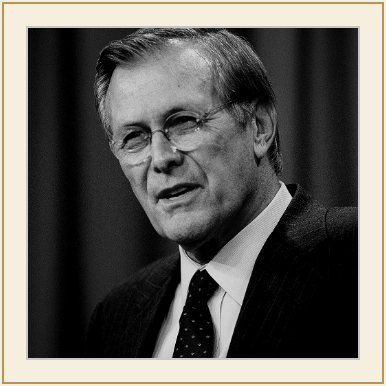 Donald RumsfeldKnowns and unknownsConcept, not political endorsement
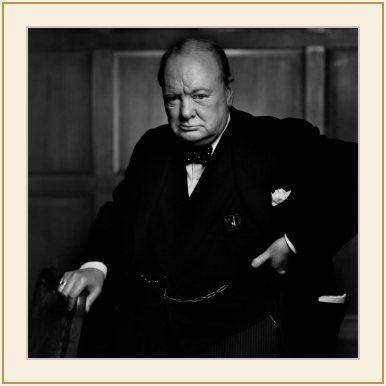 Winston ChurchillWartime grand strategy
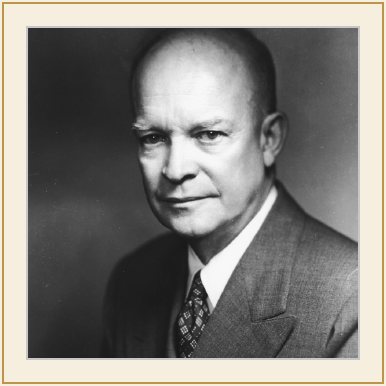 Dwight EisenhowerWartime grand strategy
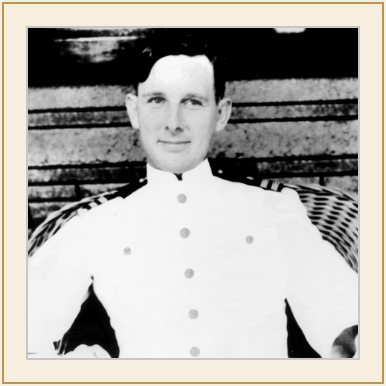 Joseph RochefortMidway codebreaking
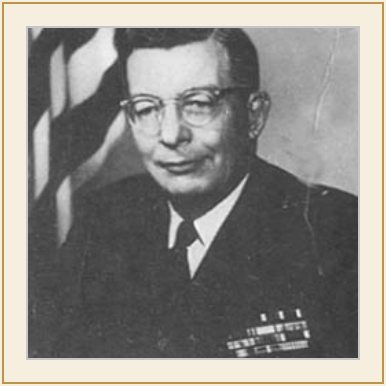 Edwin LaytonPacific Fleet intelligence
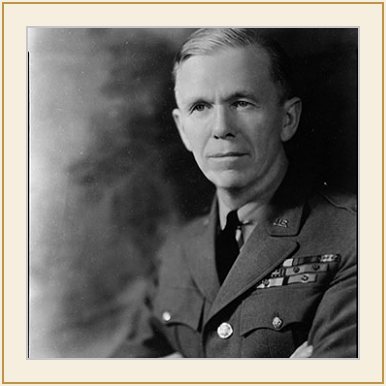 George C. MarshallCandor and execution
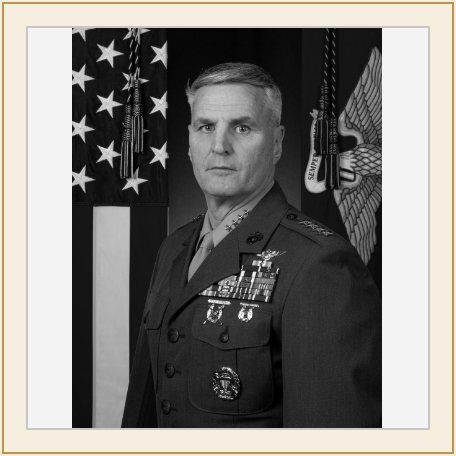 Gen. Christopher MahoneyAI judgment visionary
White paper
ODAI Intellectual Heritage
What a judgment machine rests on.
Their methods, at your decision.
Read on Insights →Portraits honor thinkers and institutions whose published work informs ODAI’s method. Inclusion implies no endorsement of Heuristka or ODAI, and no affiliation.